Introduction
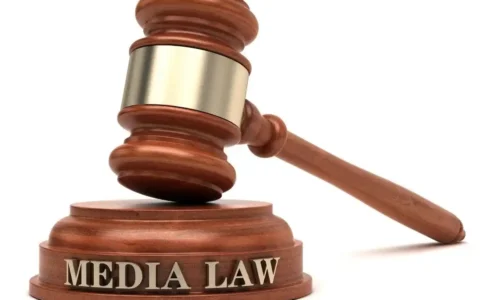
The Media and Communication Law training program is designed to provide participants with a comprehensive understanding of the legal and ethical frameworks governing today’s rapidly evolving media environment. As media platforms continue to expand across traditional and digital channels, professionals must navigate complex legal obligations, ethical standards, and regulatory requirements. This program explores the intersection of law, communication, technology, and society, equipping participants with the practical knowledge necessary to operate confidently within the legal boundaries of the media industry at both regional and international levels.
Training Objectives
By the end of this program, participants will be able to:
- Understand the fundamental principles and sources of media and communication law.
- Identify key legal and ethical obligations affecting media professionals.
- Analyze issues related to freedom of expression, privacy, defamation, and advertising.
- Understand intellectual property rights in media and digital content.
- Examine the legal challenges arising from digital and social media platforms.
- Apply legal principles to real-world media and communication scenarios.
Target Audience
This program is designed for:
- Media professionals and journalists
- Public relations and corporate communication specialists
- Marketing and advertising professionals
- Content creators and digital media managers
- Legal advisors and compliance officers
- Communication officers and spokespersons
- Government media personnel
- Professionals involved in media regulation and governance
Training Methodology
The program combines:
- Interactive lectures
- Group discussions
- Practical workshops
- Case study analysis
- Simulation exercises
- Real-world media campaign reviews
Course Outline
Unit One: Fundamentals of Media and Communication Law
Introduction to media law and its significance
Sources of media law:
- Statutes
- Regulations
- Case law
Freedom of expression and media rights
Legal limitations on free speech
Landmark media law cases
Unit Two: Legal and Ethical Principles in Media
Media ethics and professional standards
Privacy rights and confidentiality
Defamation and protection of reputation
Legal responsibilities of journalists and media organizations
Ethical decision-making in media practice
Unit Three: Advertising and Intellectual Property Law
Legal regulation of advertising and promotions
False advertising and consumer protection
Copyright law and media content
Fair use and licensing
Trademark protection in media communications
Unit Four: GDPR and Digital Media Regulation
Legal challenges in the digital media landscape
Online content liability
Platform and intermediary responsibilities
Data protection and General Data Protection Regulation compliance
Cyberbullying, online harassment, and hate speech
Unit Five: Emerging Issues in Media Law
Social media regulation and platform governance
Misinformation and disinformation
Online copyright infringement and enforcement
International jurisdiction in digital disputes
Future trends in media and communication law
Practical case studies and group discussions
Expected Outcomes
Participants will leave this program with:
- A strong foundation in media and communication law.
- Enhanced awareness of legal and ethical media obligations.
- Practical tools for managing legal risks in communication activities.
- Greater confidence in addressing digital media challenges.
- Improved decision-making in complex media environments.
Instructor